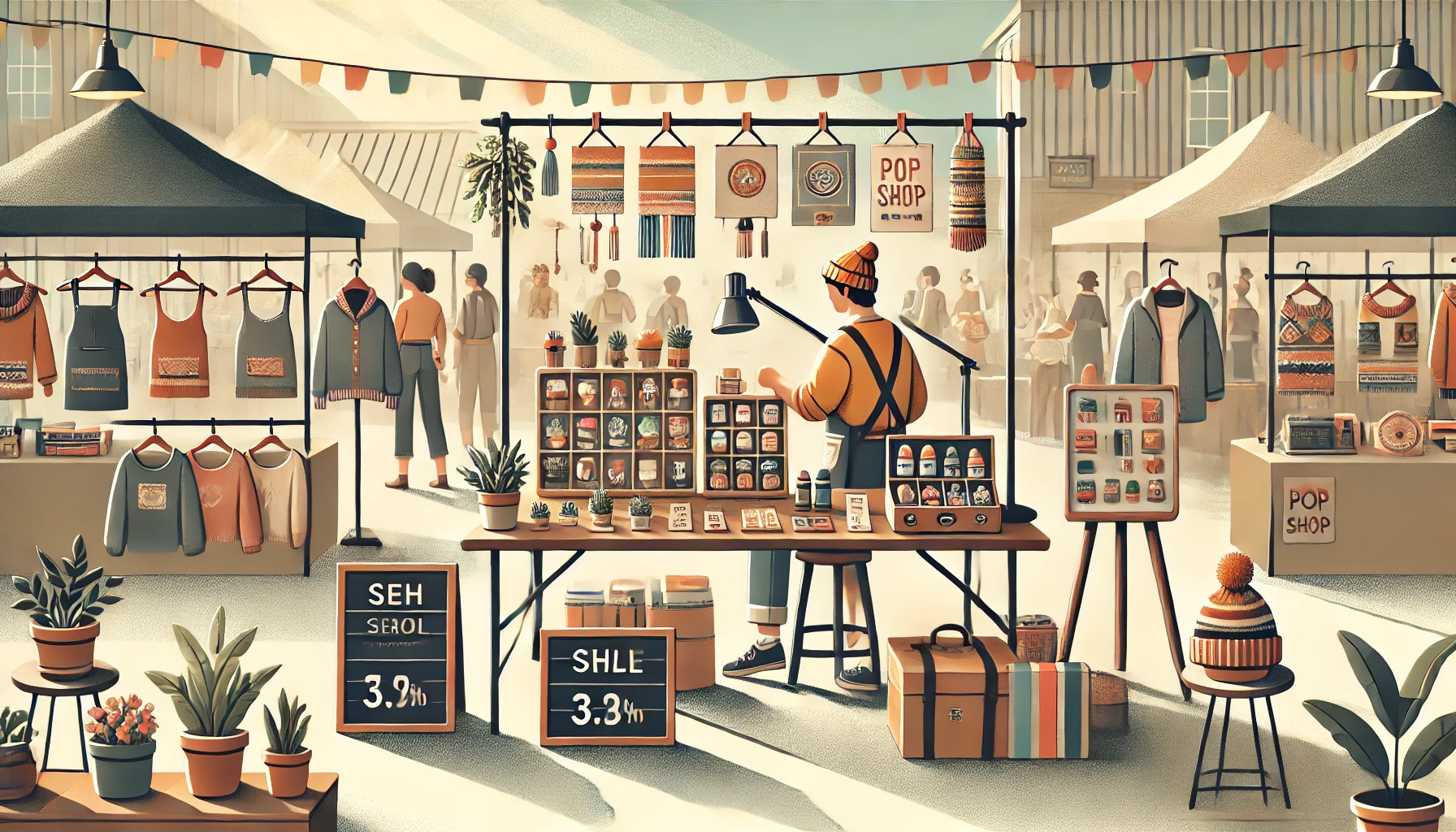
Combining your Etsy shop with in-person sales creates powerful opportunities to connect with customers face-to-face while showcasing your products in real-time. This hybrid approach allows makers and sellers to build stronger brand recognition and develop loyal customer relationships beyond the digital realm. Mastering both online and offline sales channels can significantly boost your overall revenue while providing valuable customer insights you simply can’t get through online interactions alone.
Download your Etsy customer emails and start doing email marketing.
Connect your Etsy shop, export customer data, and build powerful email campaigns to boost your sales.
Get Started For Free
How Does Etsy’s In-Person Selling Work?
Etsy’s in-person selling system operates through a seamless integration with Square, a popular point-of-sale solution that syncs with your existing Etsy inventory. This powerful combination enables you to process transactions at craft fairs, markets, pop-up shops, and other venues without maintaining separate inventory systems.
Why sell in person when you already have an online shop? The benefits extend far beyond just additional sales opportunities. Face-to-face interactions create memorable brand experiences that digital platforms simply cannot replicate. You’ll gain immediate feedback on your products, showcase items that might photograph poorly online, and make sales without shipping delays or complications.
Many successful Etsy sellers report that in-person events often lead to increased online traffic as customers discover their physical products and later visit their digital storefronts. This cross-channel promotion creates a virtuous cycle where each sales channel strengthens the other, maximizing your overall business potential.
Setting Up Your Square Integration
Before attending your first in-person event, you’ll need to properly configure your Etsy and Square accounts. The process requires several important steps to ensure smooth operation during busy sales periods.
First, access your Etsy Shop Manager and navigate to the “Finances” section, then select “Payment settings” to locate the “In-person selling” option. Click “Get started with Square” and follow the prompts to either create a new Square account or connect your existing one. The system will guide you through the necessary permissions and settings to establish the connection between platforms.
Next, download the Square Point of Sale app from your device’s app store and install it on the smartphone or tablet you plan to use during events. This mobile application serves as your portable register, allowing you to process various payment types while automatically updating your Etsy inventory in real-time.
Once both accounts are linked and the app is installed, sync your Etsy inventory with Square by opening the app, navigating to “Items,” and selecting “Sync with Etsy.” You can choose to sync your entire inventory or select specific listings based on what you plan to sell at upcoming events.
Essential Hardware for In-Person Sales
Successful in-person selling requires the right equipment to process transactions efficiently and present a professional image to potential customers. Your hardware setup doesn’t need to be elaborate, but certain essentials will streamline your operations.
The foundation of your mobile point-of-sale system includes a smartphone or tablet with the Square app installed and a reliable internet connection. Consider using a device dedicated solely to sales transactions rather than your personal phone to maintain professionalism and avoid distractions during busy periods.
A Square card reader is essential for processing credit and debit card payments, with several options available depending on your needs:
- Magstripe reader: The basic free option that plugs into your device’s headphone jack
- Chip reader: A Bluetooth-enabled reader that accepts chip cards and contactless payments
- Terminal: A standalone device with built-in receipt printer for higher-volume sellers
For cash transactions, invest in a secure cash box with separate compartments for different denominations and a lock to protect your earnings. Include sufficient change at the beginning of each event, particularly smaller bills and coins for making accurate change quickly.
Preparing Your Products for Market Success
Selecting the right events for your products dramatically impacts your sales potential and overall experience. Research thoroughly before committing to ensure your time and resources are well-invested.
Start by identifying events that align with your product niche and target audience. A handcrafted jewelry maker might thrive at an upscale artisan market but struggle at a general flea market where bargain hunters predominate. Similarly, seasonal products like holiday decorations perform best at themed events during relevant times of year.
Consider practical factors such as booth fees, expected attendance, event duration, and location accessibility. Higher fees don’t always guarantee better sales-sometimes smaller, more targeted events yield better returns than large, expensive shows with broader appeal.
Many experienced sellers recommend starting with smaller local events to gain experience before investing in larger shows with higher stakes. This approach allows you to refine your display, pricing, and sales techniques while minimizing financial risk.
Creating an Eye-Catching Display
Your booth design serves as your physical storefront, making a critical first impression on potential customers. An effective display combines visual appeal with practical functionality to showcase your products in their best light.
Develop a cohesive visual identity that reflects your brand aesthetic through consistent colors, signage, and display elements. Your booth should feel like a natural extension of your online shop, creating brand recognition for customers who might have seen your products online. Consider how your display looks from a distance as well as up close-an eye-catching banner or sign can draw shoppers from across a busy venue.
Arrange products at varying heights using shelves, risers, or hanging displays to create visual interest and maximize your limited space. This multi-level approach helps prevent your table from appearing flat or cluttered while allowing customers to see more products at once. Strategic lighting dramatically improves product visibility, especially in dimly lit indoor venues or during evening outdoor events.
Always include business cards, brochures, or postcards featuring your Etsy shop URL, social media handles, and perhaps a QR code linking directly to your online store. These materials extend the customer relationship beyond the event and provide a path for future online purchases.
Inventory Planning and Management
Effective inventory management prevents both stockouts and excess inventory, optimizing your sales potential while minimizing wasted space and resources. Planning requires balancing variety with sufficient quantities of popular items.
Analyze your online sales data to identify bestsellers and trending products that deserve prominent placement and larger quantities at in-person events. However, don’t rely exclusively on online performance-some products that sell modestly online might shine in person where customers can experience them directly. Pack a diverse selection that represents your full product range while emphasizing items with the highest profit margins.
Consider creating event-exclusive items or limited editions that create urgency and excitement among shoppers. These special offerings give customers a reason to purchase immediately rather than “thinking about it” or planning to check your online shop later.
Pack your inventory methodically with clear labeling and organization systems that allow you to quickly locate specific items when customers ask for them. Include extra inventory of popular items stored in accessible containers under your table or in your vehicle to replenish displays as needed throughout the event.
Processing Sales and Payments Effectively
When customers are ready to make purchases, a smooth transaction process reinforces their positive impression of your business. The Square app streamlines this critical interaction while keeping your inventory accurate across both sales channels.
Begin by opening the Square app on your device and selecting the items the customer wishes to purchase. The app allows you to add multiple items, apply discounts or promotions, and calculate taxes automatically based on your location settings. Review the order with the customer to ensure accuracy before proceeding to payment.
Select the appropriate payment method based on the customer’s preference-credit/debit card, cash, or other accepted forms. For card payments, connect your Square reader and follow the prompts to complete the transaction securely. The system automatically sends digital receipts via email or text if the customer provides their contact information.
After completing the transaction, offer appropriate packaging that protects the purchase while reinforcing your brand identity. Consider eco-friendly options like recycled paper bags with your logo or custom tissue paper that enhances the unboxing experience while demonstrating your values.
Handling Cash Transactions Securely
While digital payments dominate many markets, cash remains important for in-person sales, particularly at certain types of events or with specific customer demographics. Proper cash handling procedures protect your earnings and maintain accurate records.
Prepare your cash box before each event with a predetermined amount of change, typically $100-200 in various denominations. Count and document this starting amount so you can accurately calculate your total cash sales at the end of the day. During transactions, count cash received aloud and place it in the cash box before counting change back to the customer, reducing errors and preventing disputes.
For security, consider wearing a money belt for larger bills, keeping only necessary change in your visible cash box. Never leave your cash box unattended, even during quick breaks-partner with neighboring vendors to watch each other’s booths when necessary.
Even when accepting cash, enter these transactions into your Square app by selecting “cash” as the payment method. This practice ensures your inventory remains accurate across both sales channels and provides complete sales records for accounting and tax purposes.
Providing Outstanding Customer Service
The personal interaction possible during in-person sales represents one of its greatest advantages over online selling. Exceptional customer service creates memorable experiences that lead to repeat business and positive word-of-mouth.
Greet customers warmly as they approach your booth, striking a balance between being helpful and giving shoppers space to browse comfortably. Read body language to determine when customers might appreciate assistance versus when they prefer to explore independently. When engaged in conversation, focus completely on the customer rather than checking your phone or organizing your display.
Prepare concise, engaging descriptions of your products that highlight their unique features, materials, and creation process. Customers often value the story behind handmade items, so practice articulating what makes your work special without overwhelming shoppers with excessive details.
Demonstrate products whenever possible, showing how they work, feel, or appear in use. This hands-on experience addresses concerns that might prevent online purchases and helps customers envision owning your products. Handle questions and objections professionally, focusing on how your products solve problems or fulfill desires rather than simply listing features.
Maximizing Sales Through Strategic Marketing
Beyond simply showing up with your products, strategic marketing before, during, and after events significantly impacts your success. Thoughtful promotion creates anticipation and draws targeted traffic to your booth.
Announce your participation in upcoming events across all your social media platforms and in your Etsy shop announcements at least 2-3 weeks in advance. Include specific details about event location, dates, times, and any special offerings or demonstrations planned for the occasion. Create event-specific hashtags that attendees can use when sharing photos of your products.
Design promotional materials specifically for each event, such as postcards or flyers that highlight event-exclusive products or special pricing. Distribute these materials through local businesses, community bulletin boards, or direct mail to your existing customer list when appropriate.
During the event, post real-time updates showing your booth setup, customers enjoying your products, or special items that are selling quickly. These posts create FOMO (fear of missing out) that might motivate followers to visit before items sell out.
Creating Exclusive In-Person Offers
Special promotions available only at in-person events create compelling reasons for customers to purchase immediately rather than delaying decisions. These exclusive offers should balance value with maintaining your profit margins.
Develop tiered discount structures that reward larger purchases without sacrificing profitability on smaller sales:
- Bundle deals: “Buy any three items and save 15%” encourages multiple purchases
- Limited-time offers: “First hour of the event: 10% off everything” creates urgency
- Free gift with purchase: Small, low-cost items that enhance the perceived value
- Event-exclusive products: Limited editions or seasonal items not available online
Clearly communicate these special offers through visible signage at your booth and mention them during customer interactions. The exclusivity of these promotions creates a sense of opportunity that motivates immediate purchasing decisions.
Consider creating a special discount code for your online shop that’s only available to in-person customers. This approach encourages future online purchases while allowing you to track which customers discovered you through specific events.
Building Your Customer Database
In-person events provide valuable opportunities to collect customer information for future marketing efforts. Building your mailing list helps convert one-time event customers into loyal repeat buyers.
Create an attractive sign-up form that clearly explains the benefits of joining your mailing list, such as exclusive discounts, early access to new products, or behind-the-scenes content. Place this form in a visible location with a clean pen and clipboard for easy access.
Offer a small incentive for signing up, such as a discount on their next online purchase or entry into a drawing for a popular item. The perceived value of this incentive should justify the customer sharing their contact information.
When collecting information, request only essential details like email address and first name to minimize friction. Additional fields like birthdate or specific product interests can be valuable but may reduce sign-up rates if they seem too intrusive or time-consuming.
Taking Your In-Person Sales to the Next Level
After mastering the basics of in-person selling, advanced strategies can help you stand out in competitive markets and maximize your return on investment for each event.
Demonstrating your creation process creates a powerful connection between customers and your products. When appropriate for your craft, consider bringing simple tools or materials to show how your items are made. This behind-the-scenes glimpse adds perceived value by highlighting the skill and time invested in each piece.
Create an interactive element at your booth that encourages engagement beyond browsing. Photo opportunities, product customization stations, or simple make-and-take activities draw attention and create memorable experiences associated with your brand. These interactions often attract crowds that generate additional interest from passing shoppers.
Collaborate with complementary vendors to cross-promote each other’s products or create special bundle offers combining items from both businesses. These partnerships expand your reach to each other’s customer bases while creating unique value propositions not available elsewhere at the event.
Leveraging Social Media During Events
Social media serves as a powerful tool for amplifying your in-person presence before, during, and after events. Strategic posting can drive traffic to your booth and extend the impact of your participation.
Before the event, build anticipation by sharing:
- Sneak peeks of new products debuting at the event
- Behind-the-scenes preparation showing your process
- Event details including maps, booth numbers, and special offers
- Countdown posts creating urgency as the event approaches
During the event, maintain engagement through real-time updates showing:
- Your booth setup once everything is arranged perfectly
- Happy customers with their purchases (with permission)
- Limited availability notices when popular items are selling quickly
- Live demonstrations or special activities happening at your booth
After the event, maintain momentum by posting:
- Thank you messages to attendees and event organizers
- Highlights and successes from the event
- Remaining inventory now available online for those who missed out
- Announcements of your next scheduled events
Analyzing Performance and Improving Strategy
Systematic analysis after each event helps refine your approach and increase profitability over time. Detailed record-keeping provides insights that guide future decisions about product selection, pricing, and event participation.
Track key metrics for each event including total sales, items sold, average transaction value, and booth fees. Calculate your return on investment by comparing total revenue against all expenses including booth fees, travel costs, accommodations, and the value of your time. This analysis helps determine which events deserve repeat participation and which should be reconsidered.
Compare the performance of different product categories and specific items to identify patterns. Some products might consistently outperform online expectations at in-person events, suggesting opportunities to adjust your event inventory mix or even your production priorities.
Collect qualitative feedback through conversations with customers and observations of their interactions with your products. Note which items draw the most attention, generate questions, or elicit positive comments, even if they don’t immediately translate to sales. These insights can guide product development and marketing messaging.
Start Selling in Person With Your Etsy Shop Today
Taking your Etsy business into the physical world opens exciting possibilities for growth and customer connection. The combination of online reach and in-person engagement creates a robust business model that maximizes your potential in today’s retail landscape.
Begin by selecting a small local event with low entry fees to test your setup and processes without significant financial risk. Focus on creating an attractive, functional display that showcases your products effectively while reflecting your brand identity. Prepare thoroughly with adequate inventory, clear pricing, and all necessary equipment for processing various payment types.
Remember that success in in-person selling typically improves with experience. Each event provides valuable lessons about customer preferences, display effectiveness, and operational efficiency. Maintain detailed records of what works and what doesn’t, continuously refining your approach based on real-world results.
The skills developed through in-person selling-from visual merchandising to face-to-face sales techniques-often translate to improvements in your online business as well. Product descriptions become more compelling when informed by actual customer questions, and photography improves as you observe which product angles and features draw attention in person. By embracing both channels, you create a stronger, more resilient business positioned for long-term success.
Citations: [1] https://www.etsy.com/legal/sellers/ [2] https://www.etsy.com/blog/how-to-sell-local [3] https://www.etsy.com/seller-handbook/article/294998091786 [4] https://www.gelato.com/ca/blog/do-you-need-a-business-license-to-sell-on-etsy [5] https://printify.com/guide/how-to-sell-on-etsy/ [6] https://www.reddit.com/r/EtsySellers/comments/15j6kmq/selling_in_person_on_etsy_query/ [7] https://www.gelato.com/blog/selling-art-on-etsy [8] https://blog.hootsuite.com/sell-on-etsy/ [9] https://fitsmallbusiness.com/selling-on-etsy-tips/